Analytical Briefing: Energy Confrontation and Diplomatic Turbulence
The analysis indicates an intensification of the struggle for energy stability amid a critical shortage of air defense missiles and successful strikes on Russian refineries. The diplomatic focus is shifting to the Berlin summit and negotiations in Shenzhen.
Local Context and Security Situation
Although the main hostilities continue in the east and south, attacks on energy infrastructure, including the recent shelling of nearby Kremenchuk, directly affect the stability of the entire country's power grid. For the residents of Kremenets, this implies ongoing risks of rolling blackouts and the need to be prepared for prolonged power shortages during the winter period.
Trend 1: War of Attrition in Logistics and Resources
The last 24 hours demonstrate a transition to a phase of active destruction of rear supply lines. On one hand, Ukraine has achieved significant success in reducing Russian oil refining capacities (by nearly half in November) and disabling the Crimean Bridge as a logistics artery. On the other hand, the critical shortage of Patriot missiles, as stated by President Zelenskyy, creates a window of vulnerability for Ukrainian energy. Connection: AFU successes in the enemy's rear force Russia to intensify terror against civilian infrastructure, exploiting the shortage of air defense systems.
Trend 2: Geopolitical Uncertainty and Shifting Aid Priorities
The meeting of US, Russian, and Chinese leaders in Shenzhen, amid political bargaining in the US Congress, points to a possible shift in Western strategy. While aid to Ukraine becomes a tool of domestic political struggle in the US, Germany is attempting to seize the initiative by creating mechanisms to protect financial support independently of political fluctuations in individual EU member states. The public dispute with Elon Musk regarding Starlink further highlights the growing tension with private providers of critical technologies.
Risks and Outlook
- Air Defense Shortage: In the coming days, increased pressure on the Ukrainian energy system is expected as the enemy attempts to exploit the depletion of anti-aircraft missile stocks.
- Conflict Duration: Western intelligence forecasts suggesting the war will continue at least until the end of winter are confirmed by the lack of real peace steps from the Kremlin, despite diplomatic contacts in China.
- Occupier Logistics Collapse: The cessation of the Kerch Strait bridge's functioning as a transport artery may lead to changes in the intensity of fighting in the southern direction in the coming week.
Read next
 🇺🇦Ukraine
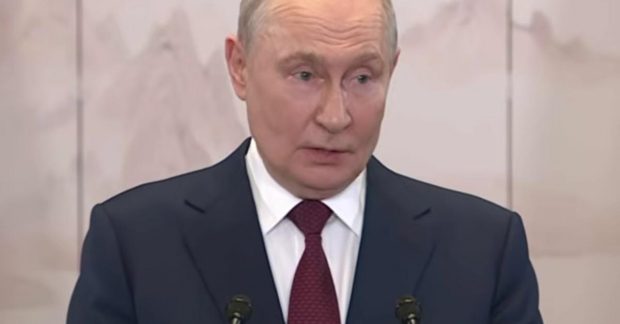
Outcomes of the Trilateral Summit in Shenzhen: Geopolitical Context for Ukraine
Leaders from the US, China, and Russia met in Shenzhen to discuss global security and the reform of international institutions.
 🇺🇦Ukraine
Donald Trump comments on Putin's reaction to Crimean Bridge strikes
US President Donald Trump discussed the Russian leadership's reaction to attacks on the Crimean Bridge and reiterated his stance on Ukraine-related diplomacy.
 🛡️Security
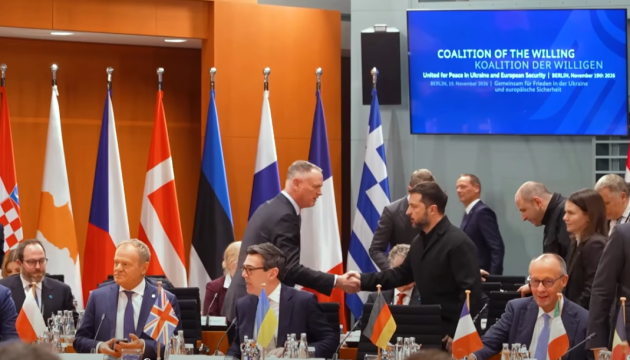
Zelensky in Berlin: Discussing Defense Support and Financial Aid for Ukraine
President Volodymyr Zelensky arrived in Berlin for the 'Coalition of the Willing' summit to discuss security and financial stability.
 🛡️Security
Situation on the Orikhiv front: Defense Forces repel enemy advances
Russian forces are attempting to attack Orikhiv using small infantry groups, but Ukrainian defenders are successfully holding their ground.
 💼Economy
Efficiency of Solar Panels in Winter: What Households Should Expect
Experts explain how solar power generation changes during the cold season and what performance figures residents should anticipate.
 🇺🇦Ukraine
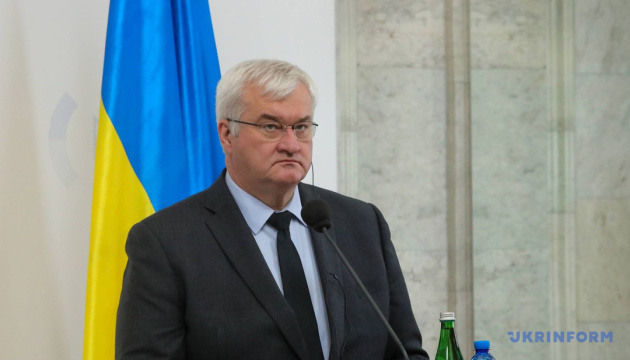
Andrii Sybiha: “Shenzhen is not the Yalta of Putin's dreams”
The Minister of Foreign Affairs of Ukraine commented on the results of the trilateral meeting of the leaders of the USA, China, and Russia in Shenzhen.