Cascading Metallurgy Crisis Threatens Community Budgets and Social Sector
Production cuts in Ukraine's mining and metals sector are causing a shortage of tax revenues, directly impacting the funding of local budgets, infrastructure, and social projects.
 🎓Education
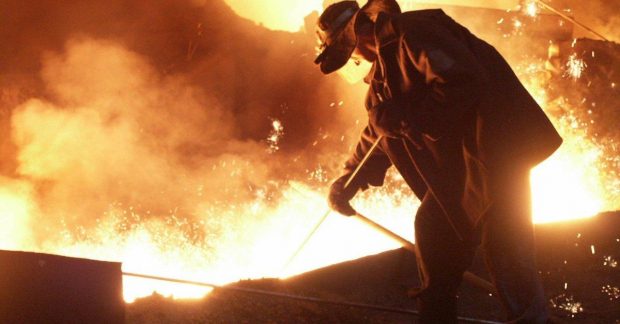
Photo: UNIAN
Key points
- Production cuts in the metals sector lead to falling tax revenues
- Industrial city budgets are cutting infrastructure and social spending
- The crisis creates a cascading effect across related industries
The crisis in Ukraine's metallurgical industry has ceased to be an exclusively internal problem for manufacturers, turning into a systemic challenge for state and local finances. Due to ongoing shelling, logistical difficulties, port blockades, and electricity shortages, GMK enterprises are forced to reduce output, inevitably triggering a chain reaction across related economic sectors.
Chain Reaction in Finance and Taxes
Over the first three quarters, several leading metallurgical enterprises demonstrated a significant drop in tax payments. Specifically, Metinvest reduced its budget contributions by 6%, while value-added tax revenues plummeted by 36%. Payments from the Dniprovsky Metallurgical Plant dropped even faster—by 46%. Even enterprises that previously maintained their performance, such as ArcelorMittal Kryvyi Rih, are preparing for reduced payments due to production stoppages.
Since the mining and metals complex traditionally accounted for a significant share of GDP and foreign exchange earnings, every factory job generates demand in related fields: energy, transport, engineering, and small business. Production cuts automatically lead to fewer orders for these industries, narrowing the country's overall tax base at a time when the state urgently needs resources for defense.
Consequences for Local Communities and Infrastructure
The decline in metallurgical production is felt most acutely in industrial regions and cities, where local budgets heavily depend on personal income tax and land tax from large enterprises. Local authorities in such centers are already forced to resort to budget sequestering and freezing development projects. Expenditures on road repairs, municipal infrastructure maintenance, schools, hospitals, and co-financing of international grants are the first to face cuts.
For residents of regions without large metallurgical plants, this still implies risks of general economic slowdown, lower household purchasing power, and potential difficulties in funding the public sector. As analytical centers point out, solving the problem requires comprehensive measures, including unblocking export routes and ensuring stable energy supplies for industry to preserve the financial resilience of communities.
Source UNIAN — unian.ua/society/kaskadniy-efekt-padinnya-virobnictva-u-metalurgiji… ↗
Read next
 🚌Transport
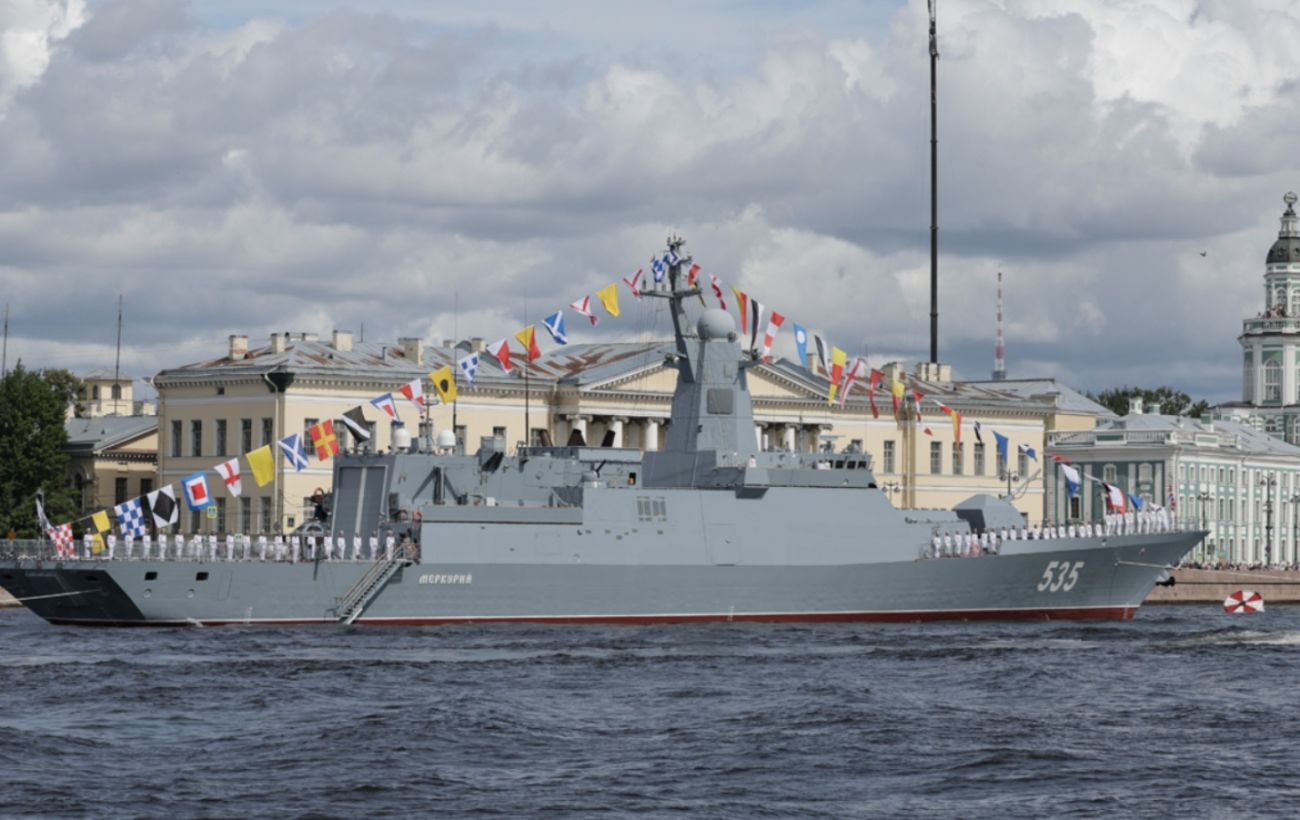
Defense Forces destroy Russian missile corvette 'Merkuriy' near Libya
Ukrainian military forces have successfully targeted and sunk a modern Russian warship, the 'Merkuriy', in the Mediterranean Sea near the Libyan port of Benghazi.
 🛡️Security
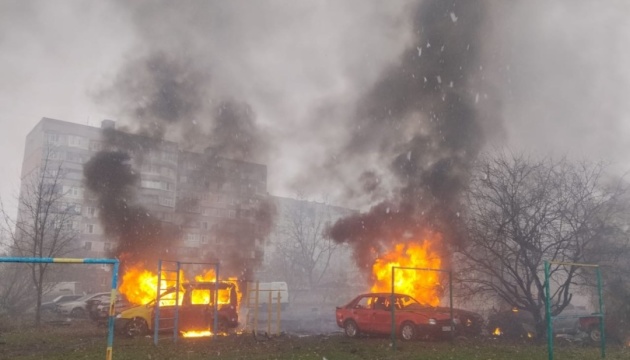
Massive Strike on Lozova Injures 12, Damages Residential Areas
A massive attack on the city of Lozova in the Kharkiv region has left 12 people injured and damaged numerous residential buildings and infrastructure.
 🚌Transport
Spontaneous Landfill in Pidvolochysk: Residents Outraged by Street Pollution
Residents of Pidvolochysk in the Ternopil region have expressed strong dissatisfaction over illegal dumping sites appearing directly on the settlement's streets due to th…
 🚨Events
US Congress Shift: How American Elections Impact International Support for Ukraine
The Democratic control of both chambers of the US Congress creates new opportunities for foreign policy, yet does not guarantee an automatic increase in aid.
 🏙️City
Signal restricts screenshots on iOS and Android to block AI agents
The Signal messenger team is rolling out new screenshot restrictions on Android and iOS to prevent built-in AI agents from capturing and leaking private user chats.
 💼Economy
Armenia Unveils New Constitution Draft Dropping Karabakh References as Pashinyan Pledges Political Future
The Armenian government has published a draft of a new constitution that removes references to Nagorno-Karabakh, while Prime Minister Nikol Pashinyan faces a parliamentar…