Fusion Reactors in Orbit: Scientists Propose a New Way to Power Space Missions
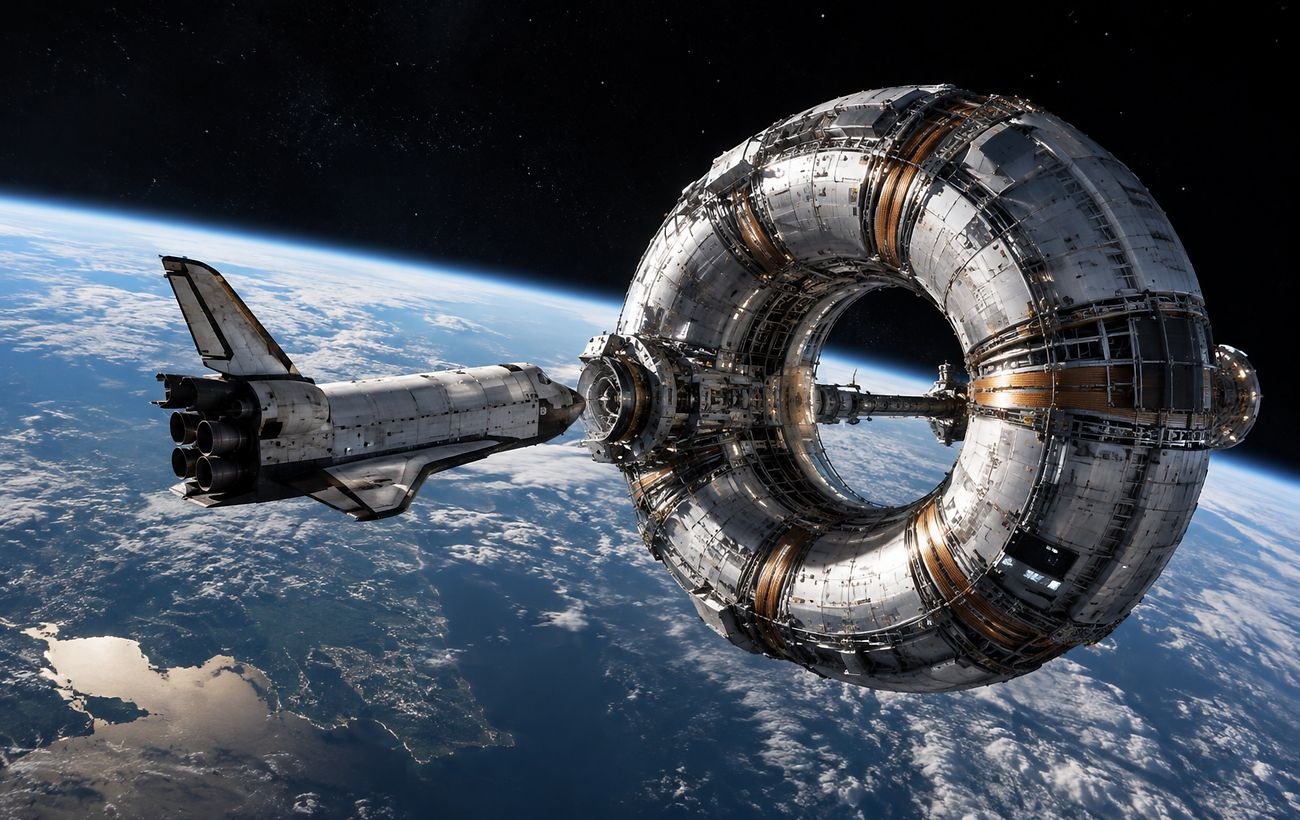
Researchers are exploring the possibility of placing fusion reactors in space to power future missions and settlements, offering a potential alternative to Earth-based energy sources.
 💡Tech
Photo: RBC-Ukraine
Key points
- Placing fusion reactors in geostationary orbit
- Benefits of microgravity for tokamak structures
- Alternative to fission reactors for space missions
- 1-gigawatt power capacity potential
The scientific community is increasingly discussing the idea of moving fusion technology beyond Earth. According to a study published in ResearchGate, placing reactors in orbit could solve the energy deficit for future space settlements and industrial facilities.
Advantages of Space-Based Fusion
Physicist Yang Bae from the Spacefaring Research Institute highlights several factors that make space an ideal environment for fusion. Microgravity significantly reduces mechanical stress on tokamak structures, while the absence of atmospheric pressure allows for lighter and more efficient vacuum chambers.
- Thermal Management: Excess heat can be dissipated directly into space via specialized radiative panels.
- High Capacity: A proposed 1-gigawatt tokamak could provide enough electricity to power about a million homes.
Currently, most spacecraft rely on solar panels, which become less efficient as missions move further from the Sun. While the US and China are exploring fission reactors for lunar bases, fusion offers a safer alternative without the risks associated with radioactive materials.
Although these projects remain largely theoretical, they involve using both magnetic fields to contain plasma and powerful lasers to initiate reactions. Such advancements could become the foundation for long-term human presence in deep space.
Source RBC-Ukraine — rbc.ua/ukr/news/termoyaderni-reaktori-hochut-vidpraviti-kosmos-1795… ↗
Read next
 🚨Events
US Congress Shift: How American Elections Impact International Support for Ukraine
The Democratic control of both chambers of the US Congress creates new opportunities for foreign policy, yet does not guarantee an automatic increase in aid.
 🏙️City
Signal restricts screenshots on iOS and Android to block AI agents
The Signal messenger team is rolling out new screenshot restrictions on Android and iOS to prevent built-in AI agents from capturing and leaking private user chats.
 💼Economy
Armenia Unveils New Constitution Draft Dropping Karabakh References as Pashinyan Pledges Political Future
The Armenian government has published a draft of a new constitution that removes references to Nagorno-Karabakh, while Prime Minister Nikol Pashinyan faces a parliamentar…
 💼Economy
Over 40,000 Roman Empire Coins Discovered Beneath a Building in France
During construction work in northeastern France, researchers unearthed a massive archaeological site containing over 40,000 ancient Roman coins.
 🛡️Security
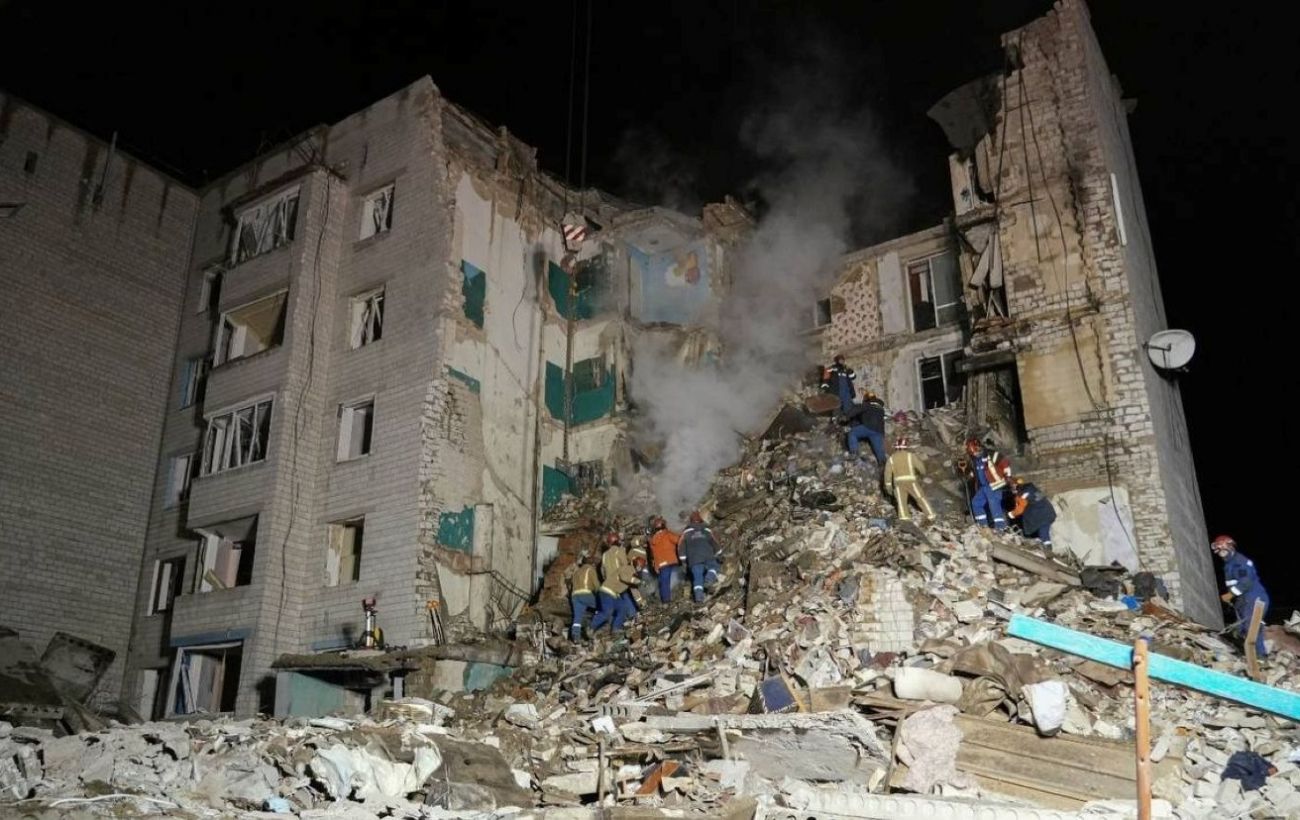
Russian Strike on Dymer in Kyiv Region Kills 11 People
The death toll from a drone strike on an apartment building in Dymer has risen to 11, with rescue operations hindered by ongoing threats.
 🛡️Security
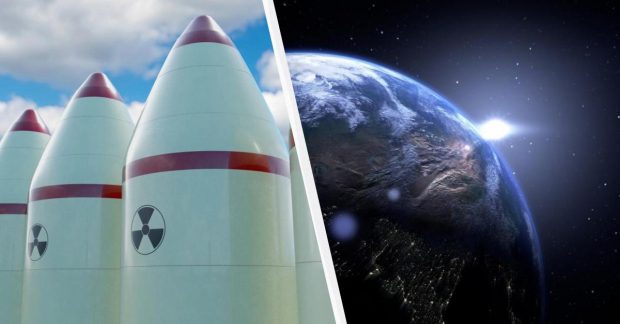
Western Intelligence Warns of Russian Plans to Deploy Nuclear Weapons in Space
Western intelligence agencies report that Russia is preparing to launch a satellite equipped with a nuclear warhead into low Earth orbit this year, threatening global inf…